


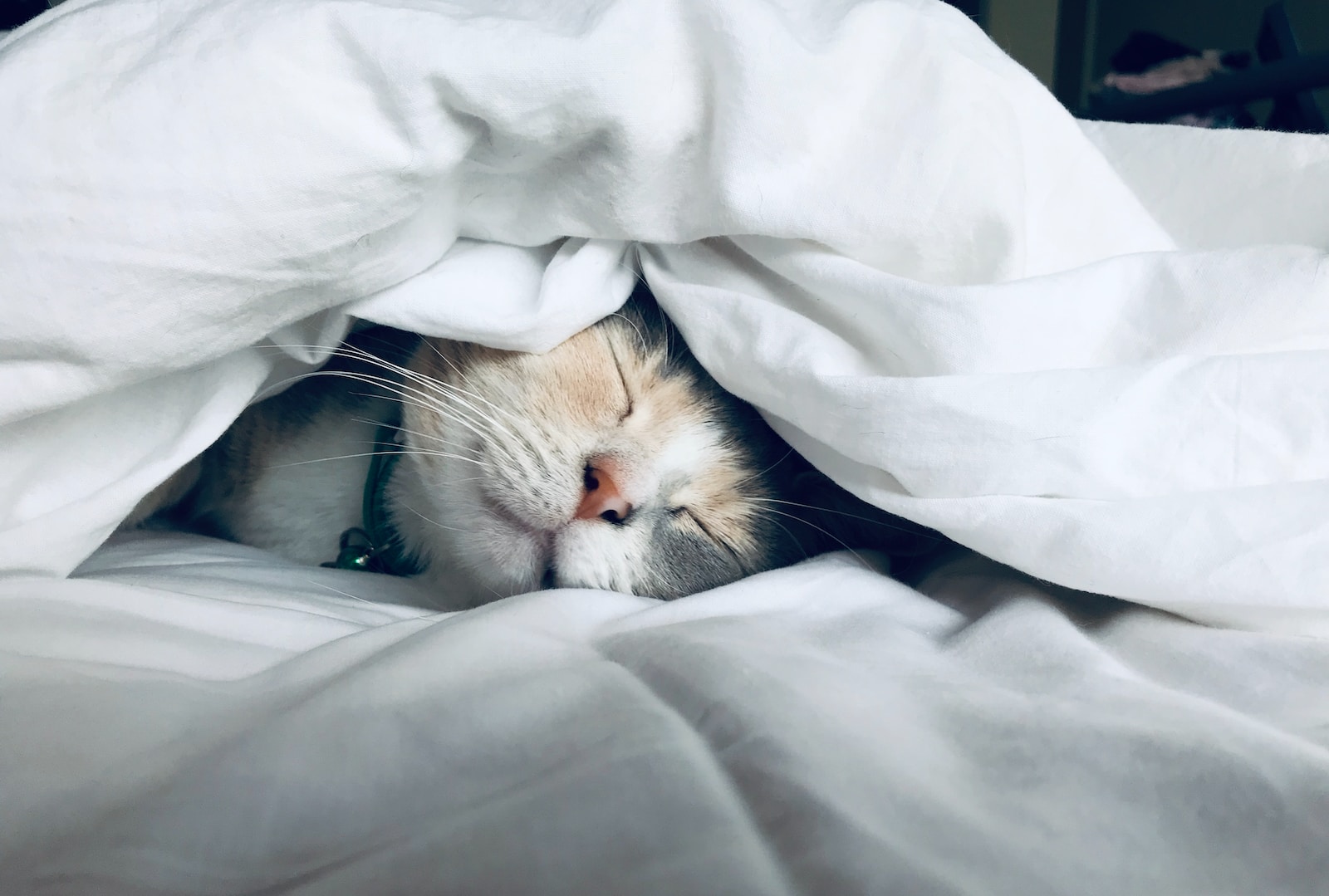
Anemia in FIV Cats: Understanding, Management and Prevention
Anemia in cats FIV (Feline Immunodeficiency Virus) is a complex and multifactorial clinical condition. FIV, similar to HIV in humans, is a retrovirus that affects cats’ immune systems, making them more susceptible to various diseases, including anemia. This article explores the causes, symptoms, treatment options, and prevention strategies of anemia in FIV-positive cats.
Causes of Anemia in FIV Cats
Anemia in FIV-positive cats can result from several causes:
- Opportunistic infections: Due to compromised immune systems, these cats are more prone to bacterial, viral, or parasitic infections that can lead to anemia.
- Chronic inflammation: IVF can cause chronic inflammation that interferes with the production of erythrocytes.
- Direct Effects of the Virus: IVF can directly affect the bone marrow, reducing the production of red blood cells.
- Neoplasms: FIV-positive cats have a higher risk of developing cancers, some of which can contribute to anemia.
Symptoms of Anemia in FIV Cats
Symptoms of anemia in cats can vary, but commonly include:
- Lethargy and weakness
- Pallor of mucous membranes (such as gums)
- Decreased appetite
- Increased heart and respiratory rate
- In some cases, jaundice (yellowing of the skin and mucous membranes)
Diagnosis
The diagnosis of anemia in an FIV-positive cat begins with a complete physical examination and a detailed medical history. Laboratory tests include:
- Complete blood count (CBC): To assess hemoglobin levels and red blood cell count.
- Biochemical tests: To rule out other causes of anemia, such as kidney failure or liver disease.
- Stool analysis: To detect the presence of intestinal parasites.
Treatment
Treatment of anemia in FIV-positive cats depends on the underlying cause:
- Treatment of Opportunistic Infections: Antibiotics, antivirals or antiparasitics, depending on the pathogen.
- Iron Supplementation: If the anemia is due to iron deficiency.
- Blood Transfusions: In cases of severe anemia.
- Immunomodulatory drugs: They can be used to improve the immune response.
Prevention and Management
- Regular Monitoring: Regular veterinary check-ups are crucial to monitor health status and detect anemia early.
- Balanced diet: A nutritionally balanced diet is crucial to support the immune system.
- Omega-3 Fatty Acid Supplementation: Omega-3 fatty acids, found in fish and fish oil, can help reduce inflammation and support overall health.
- Some natural supplements
- Spirulina: This blue-green algae is known for its nutritional properties and can help boost the immune system.
- Probiotics: They can help maintain a healthy gut, which is important for a strong immune system.
- Tamarix
Conclusion
Anemia in FIV-positive cats requires a careful and personalized approach. The collaboration between the owner and a professional is essential to effectively manage this condition and ensure an optimal quality of life for these special cats. With proper care, many FIV-positive cats can live long and relatively healthy lives despite their condition.

