


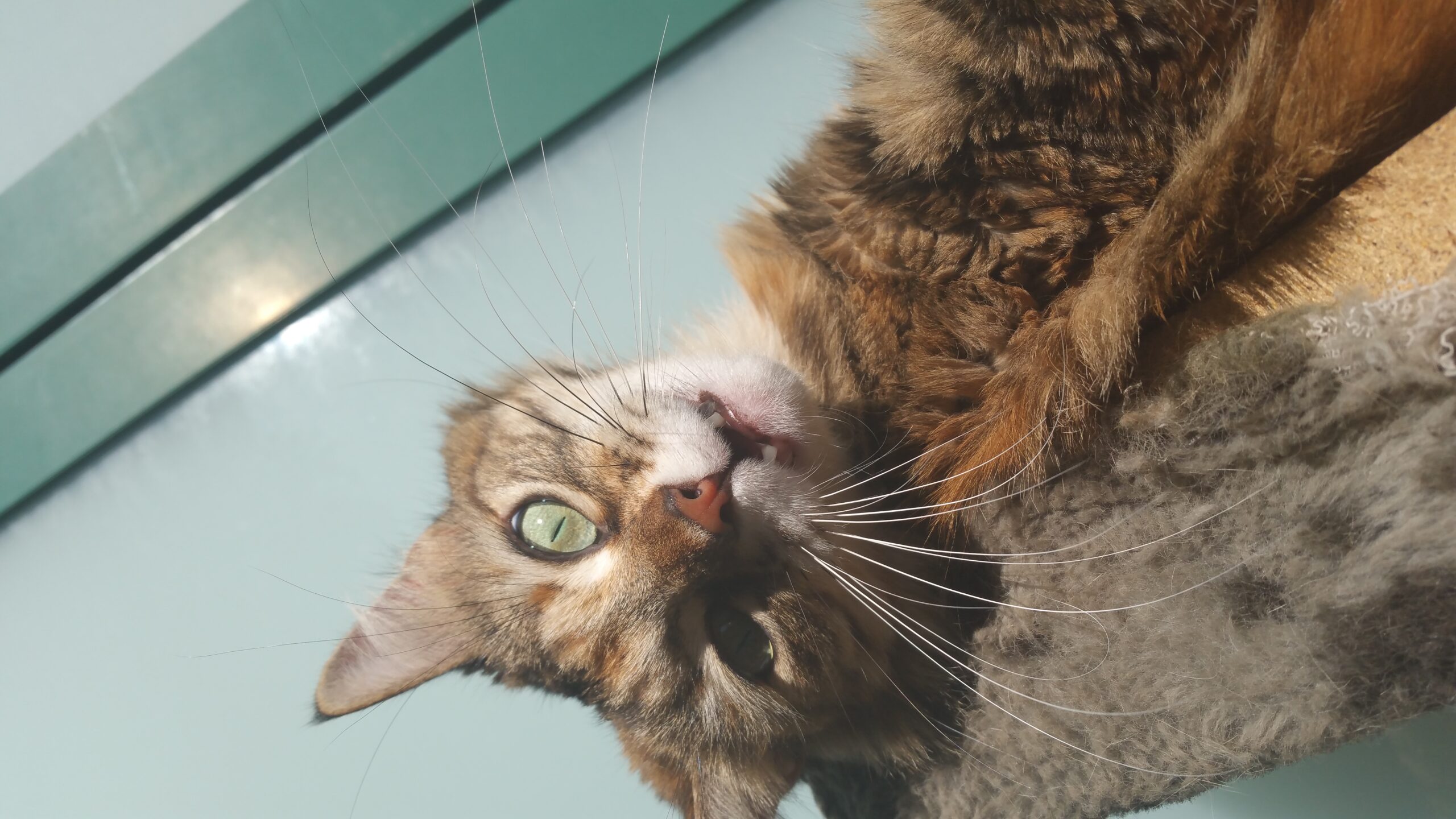
Air dried food has become one of the most talked-about options among conscious pet owners — and for good reason. It’s less processed than kibble, highly digestible, and most animals go absolutely crazy for it. But is it right for every dog and cat? The honest answer is: no, not always. In this guide I’ll walk you through exactly when air dried is an excellent choice, when you should avoid it or proceed with caution, and which brands I personally recommend. ✅
What Is Air Dried Pet Food — and How Is It Different?
Air dried food is a low-temperature dehydrated food, with moisture content around 10–15% and a high percentage of animal protein.
The key difference from standard kibble is in the processing temperature. Kibble is extruded at 150–200°C — a process that destroys enzymes, denatures proteins, and degrades heat-sensitive vitamins. Air dried food is processed at much lower temperatures, typically between 30–70°C, which preserves nutrients far more effectively.
Here’s a quick comparison to help you understand where air dried sits:
| Type | Temperature | Moisture | Cost |
|---|---|---|---|
| Kibble | 150–200°C | ~8–10% | Low |
| Air Dried | 30–70°C | ~10–15% | Medium-high |
| Freeze Dried | Below 0°C (vacuum) | <5% | High |
| Standard Dehydrated | Variable (often higher) | Variable | Variable |
➡ Air dried sits comfortably between kibble and freeze dried — less processed than the first, more accessible than the second.
When Air Dried Is an Excellent Choice ✅
There are several situations where air dried is genuinely one of the best choices you can make for your pet.
Picky eaters and food refusers. Air dried has an intensely aromatic profile that makes it highly palatable. In my experience, it often works wonders with cats or dogs that have been refusing everything else. The smell alone tends to trigger interest immediately.
Transitioning from dry food to a more natural diet. Air dried makes a perfect bridge. You can start by using it as a topper over existing kibble, then gradually increase the proportion until you’ve fully transitioned. Much easier on the digestive system than a sudden switch.
Healthy, active animals with high protein needs. Sporting dogs, young cats, animals in growth phases — air dried supports them well, provided the product is labeled as complete and balanced for their life stage.
As a high-value treat. Most air dried foods can be broken into small pieces and used for training, for administering supplements, or for encouraging a reluctant eater. The palatability is hard to beat.
When to Avoid Air Dried — or Proceed with Caution ⚠️
This is the part that almost nobody talks about clearly enough, and I think it’s the most important section of this article.
Air dried food typically contains very high protein levels — between 40–60% on a dry matter basis — and a correspondingly significant phosphorus load. This makes it unsuitable, or requiring careful management, in specific situations.
🔴 Cats with Chronic Kidney Disease (CKD)
This is the most critical case. A cat with compromised kidneys struggles to process the nitrogenous waste products that come from high protein metabolism. More importantly, elevated phosphorus accelerates kidney damage in CKD patients. A standard air dried food is not appropriate for a cat with CKD, especially in IRIS stages III and IV. If you’re managing a cat with kidney disease and want guidance on the right diet, [read my dedicated article on nutrition for cats with CKD →]
🔴 Animals with Severe Liver Disease
A very high protein load can stress a compromised liver. If your pet has an active hepatic condition, discuss any dietary changes — including air dried — with your vet before proceeding.
🟡 Overweight or Obese Animals
Air dried food is calorie-dense. A portion that looks small can contain significantly more calories than you’d expect. Without weighing portions carefully, it’s very easy to overfeed. If your dog or cat is carrying extra weight, air dried can still be used — but only with accurate portion control.
🟡 Very Young Puppies and Kittens
Not all air dried products are formulated for young animals. Always check that the label reads “complete for puppies/kittens” or “suitable for all life stages” before feeding it to a young pet.
🟡 Animals with Known Food Allergies
Many air dried foods contain multiple protein sources. If your pet has a confirmed food allergy, read the ingredient list very carefully before introducing any new product.
💡 My Personal Tip: Always Rehydrate Before Serving
This is the mistake I see almost every new air dried owner make — and it’s an easy one to fix.
Air dried food has very low moisture. If you serve it dry, your pet gets almost no water from the meal. For dogs this is inconvenient. For cats — who already tend to drink very little — it can become a real problem over time, contributing to urinary tract issues and dehydration.
The solution is simple: add warm water to the air dried food before serving. Wait 2–3 minutes for it to rehydrate and soften. The food becomes even more palatable, and your pet gets the hydration they need.
This one small step makes a significant difference, especially for cats. 🐱
The Best Air Dried Brands (My Recommendations)
These are the brands I consider most reliable and that are widely available internationally.
ZIWI PEAK — New Zealand origin. This is my personal first choice. Single or dual protein sources, high meat content, organs and ground bone included. Available for both dogs and cats. The cost is high, but the quality is consistently among the best on the market. I’ve seen excellent responses in terms of digestibility and coat condition.
ORIJEN AIR DRIED — Canadian, well established. Very high protein content, regional ingredients. Excellent for healthy, active dogs and cats. ⚠️ Note: the protein and calorie density is very high — not suitable for animals with kidney or liver conditions.
TERRA CANIS AIR DRIED — German production, traceable ingredients. Good quality-to-price ratio compared to the first two. Available in multiple protein sources.
NATURES MENU — British brand, air dried range with good quality ingredients. More accessible price point, good palatability.
➡ For healthy cats and dogs, ZIWI PEAK remains my first choice. I prefer paying more for quality that shows up in real digestion and energy. Product links are in the full article on elicats.com — link in the video description.
Air Dried vs Freeze Dried: Which Is Better?
I get this question a lot. The short answer: both are good, for different budgets and needs.
Freeze dried uses sub-zero temperatures under vacuum, preserving nutrients even more completely than air dried. The moisture content drops below 5%, which means even more concentrated nutrition — and an even higher price tag.
For most healthy pets, air dried offers an excellent nutritional profile at a more manageable cost. Freeze dried makes sense as a topper, a treat, or for very specific nutritional needs.
FAQ — Frequently Asked Questions
What is air dried pet food? Air dried food is a minimally processed pet food dehydrated at low temperatures (30–70°C), with moisture around 10–15% and high animal protein content. It preserves nutrients far better than traditional kibble.
Can I give air dried food to a cat with kidney disease? Generally no, or only with veterinary supervision. Air dried food typically has very high protein and phosphorus levels, both of which are problematic for cats with CKD. Always consult your vet before making any dietary changes for a cat with kidney disease.
Is air dried better than kibble? For healthy animals, air dried is generally less processed and more digestible than kibble. However, “better” depends on the individual animal’s health status, age, and specific needs.
Do I need to add water to air dried food? Yes — I strongly recommend it, especially for cats. Adding warm water before serving improves hydration and palatability significantly.
What is the best air dried brand for cats? Based on my personal experience, ZIWI PEAK is consistently the best option for cats — high quality ingredients, single protein options, and excellent digestibility.
Disclaimer: The content of this article is for informational purposes only and does not constitute a prescription or a substitute for professional veterinary advice. Always consult a qualified veterinarian before making changes to your pet’s diet or health protocol. Statements regarding alternative therapies are based on personal experience and publicly available literature; efficacy has not been validated by conventional scientific evidence.


Discussion about this post