


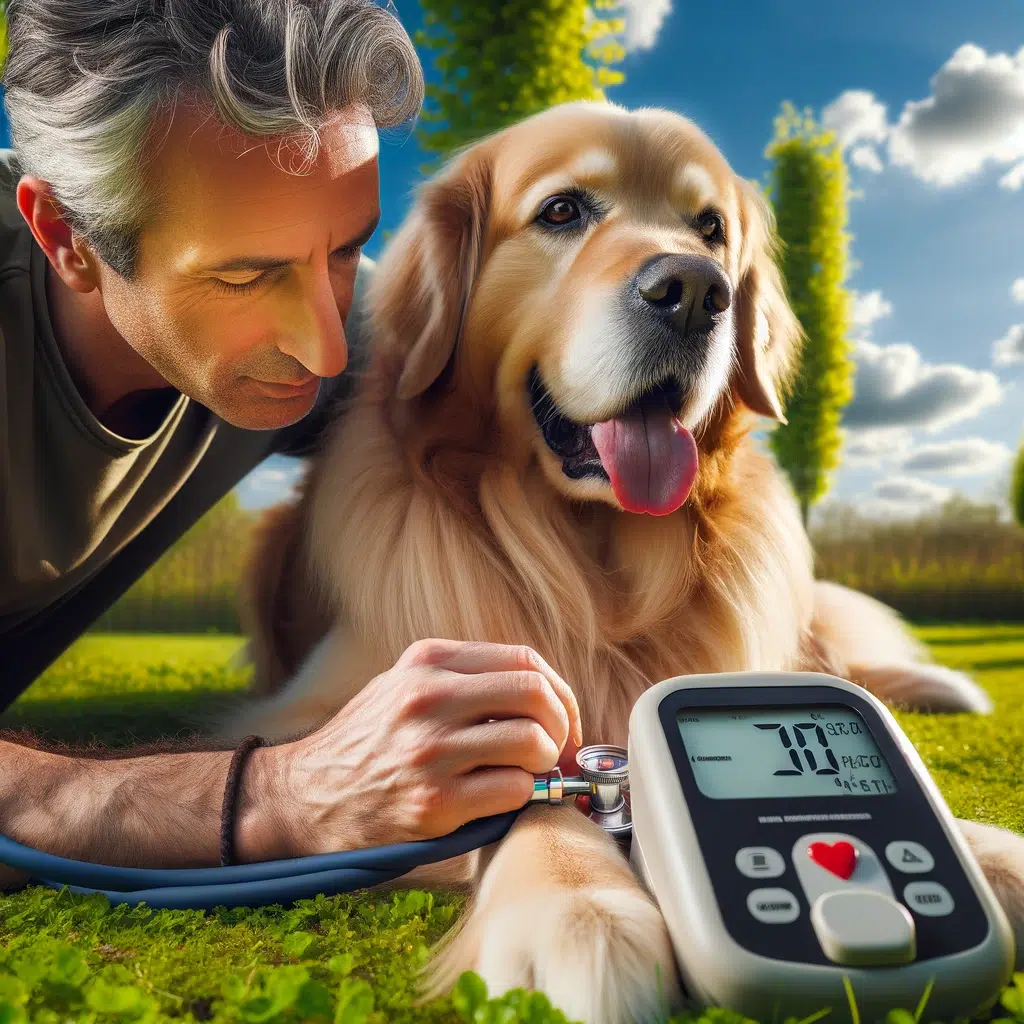
Hypertension in dogs is a condition that, although less discussed than its human counterpart, deserves attention for the potential complications it can cause. This article aims to provide a comprehensive overview of canine hypertension, touching on crucial points such as causes, symptoms, diagnosis, treatment, and, last but not least, prevention. In addition, I will delve into a fundamental aspect for understanding and monitoring the dog’s health: the definition of normal blood pressure.
High blood pressure, or high blood pressure, is a medical condition that can also affect our four-legged friends, particularly dogs. Although often underestimated, high blood pressure in dogs can be an indicator of other underlying diseases and, if not managed properly, can lead to serious complications such as damage to target organs, including the eyes, kidneys, heart, and nervous system.
Causes of Hypertension in Dogs
Hypertension in dogs can be classified as either primary or secondary. The primary form, also known as essential, is rare and occurs without an identifiable underlying cause. Most cases of hypertension in dogs are secondary, which means that it is the result of another disease.
These include kidney disease, endocrine dysfunction such as hypothyroidism and Cushing’s disease, and other conditions. It is crucial to identify and treat the underlying cause in order to effectively manage hypertension.
Symptoms and Signs of Hypertension in Dogs
The symptoms of high blood pressure in dogs can be subtle and difficult to recognize. They may include changes in behavior, visual problems due to retinal damage, and signs related to underlying diseases such as kidney failure or heart disease. Early diagnosis is crucial to prevent irreversible damage.
The symptoms of hypertension in dogs can be varied and often subtle, making it difficult to identify them immediately.
They may include:
**Changes in behavior**: Unusual lethargy or irritability. –
**Visual problems**: including sudden blindness, due to retinal damage. –
**Increased thirst and urination**: A sign of possible underlying kidney problems. –
Nasal bleeding: Less common, but can be a warning sign. –
**Difficulty breathing or coughing**: indicative of heart problems.
Recognizing these signs can be crucial for early detection and subsequent treatment.
Normal Blood Pressure in Dogs
To manage and prevent high blood pressure, it is essential to know what normal blood pressure should be in a healthy dog.
Generally, a systolic blood pressure between 110 and 160 mmHg and a diastolic blood pressure between 60 and 100 mmHg are considered normal.
However, it is important to note that these values may vary slightly depending on the individual, breed, age, and even the state of arousal of the dog at the time of measurement. Awareness of these normal values is the first step in recognizing hypertension and intervening promptly.
Diagnosis of Hypertension
The diagnosis of hypertension in dogs is based on blood pressure measurement, which should be done in a veterinary setting. Additional testing is needed to identify any underlying conditions that could be causing hypertension.
Treatment of Hypertension in Dogs
Treatment of hypertension aims to manage blood pressure and treat the underlying causes. This may include the use of anti-hypertensive medications, dietary and lifestyle modifications, and a strict monitoring regimen. Long-term management requires a holistic approach to ensure the overall well-being of the dog.
Prevention of Hypertension in Dogs
While primary hypertension can be difficult to prevent, managing risk factors for secondary hypertension is possible. This includes maintaining a healthy body weight, ensuring a balanced diet, regular exercise, and regular veterinary check-ups.
What to Do If You Suspect Hypertension in Your Dog? If you notice one or more of the symptoms listed above, it is crucial to consult a veterinarian immediately.
Here are some steps to follow:
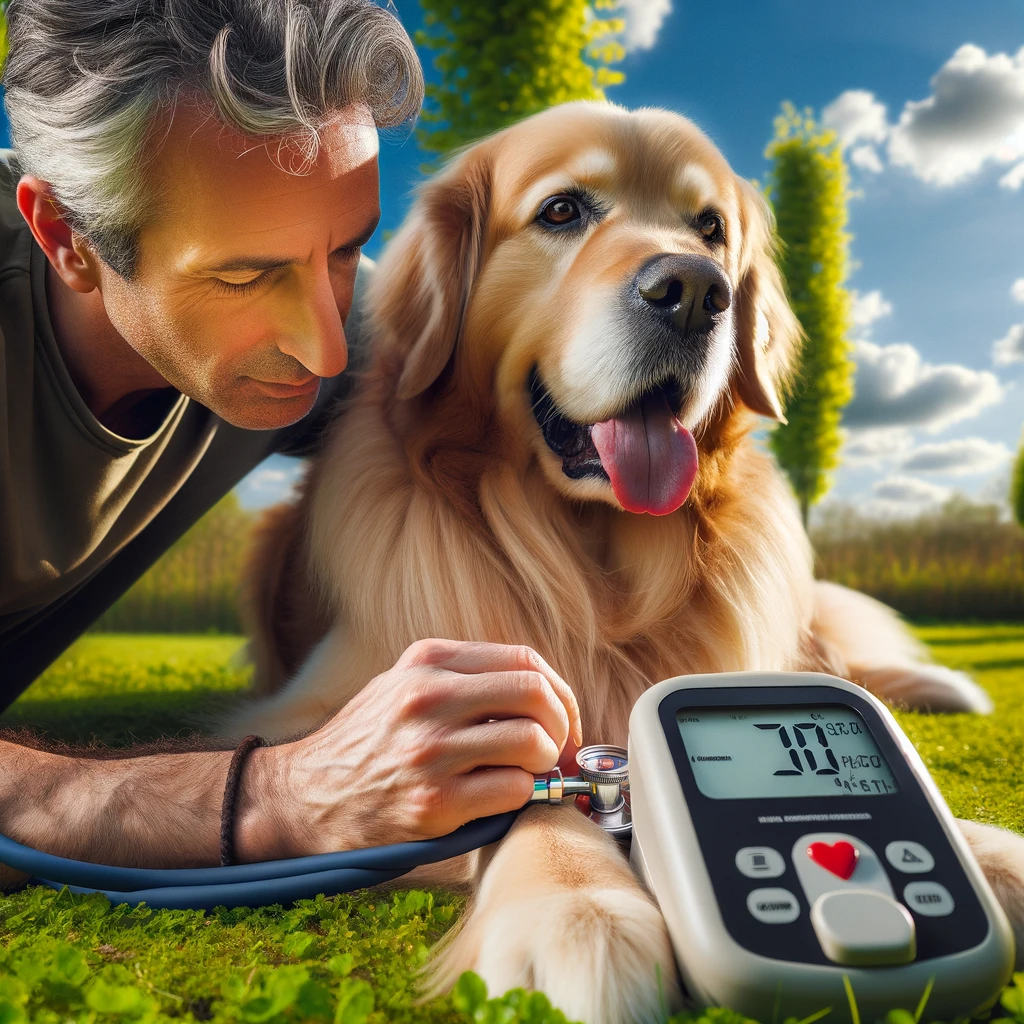
1. **Immediate Veterinary Evaluation**: Your veterinarian will measure your dog’s blood pressure using a sphygmomanometer, similar to the one used for humans, but adapted for dogs.
2. **Thorough diagnosis**: If your dog is diagnosed with hypertension, your veterinarian will likely recommend additional tests to identify any underlying causes.
3. **Personalized treatment**: Depending on the cause of your hypertension and severity, treatment can range from dietary and lifestyle changes to specific medications.
4. **Regular monitoring**: After treatment begins, regular check-ups will be necessary to monitor your dog’s blood pressure and adjust treatment if necessary.
5. **Complementary tests**:
Depending on preliminary results, additional tests may be needed to identify the causes of hypertension. These may include blood work, urine tests, ultrasounds, x-rays, and specific tests for endocrine diseases.
Identifying them allows treatment to be directed not only towards the symptoms of hypertension but also towards the underlying pathology.
Treatment of Hypertension in Dogs
Once hypertension is diagnosed, treatment should begin without delay. The goal is to reduce blood pressure to safe levels and treat the underlying causes to prevent organ damage.
Pharmacological Management
Treatment may include the use of anti-hypertensive medications. ACE inhibitors (such as enalapril) and angiotensin II receptor blockers are commonly prescribed. Diuretics can also be used in some cases, along with specific medications to treat underlying conditions.
Dietary and Lifestyle Modifications
Lifestyle changes play a significant role in managing high blood pressure. These may include:-
**Low sodium diet**: Reducing sodium can help control blood pressure. –
**Weight management**: Maintaining a healthy weight through a balanced diet and regular exercise is crucial. –
**Regular exercise routine**: Exercise helps keep blood pressure at normal levels and promotes overall well-being.
Prevention of Hypertension in Dogs
While not all forms of hypertension can be prevented, maintaining a healthy lifestyle can reduce the risk of developing secondary hypertension.
Conclusion
Hypertension in dogs is a serious condition that requires attention and management. Awareness of symptoms, early detection, and effective treatment can make a big difference in your dog’s quality of life. It’s important to work closely with your veterinarian to develop a personalized management plan that takes into account your pet’s overall health and specific needs.
Hypertension in dogs Natural remedies
Incorporating natural remedies for high blood pressure into dogs can offer owners options that complement conventional medicine. It is crucial, however, to always consult with a professional before introducing any natural treatment, to ensure that it is safe and suitable for the individual case.
Here are some natural approaches:
Omega 3: Omega-3 fatty acids, found in fish and some vegetable oils, can help reduce inflammation and improve cardiovascular health.
Hawthorn (Hawthorn): Traditionally used to support heart health, it may also offer benefits for managing high blood pressure. It is essential to use it under veterinary supervision to avoid interactions with conventional medications.
Benefits of Antioxidants in Managing Hypertension in Dogs
- Reducing Oxidative Stress: Antioxidants help reduce oxidative stress, which has been linked to high blood pressure. Reducing oxidative stress can help improve the endothelial function of blood vessels, promoting better blood pressure regulation.
- Improved Cardiovascular Health: Antioxidants can help protect the heart and blood vessels from damage caused by free radicals, improving overall cardiovascular health.
- Support for kidney function: Since high blood pressure can damage the kidneys, the use of antioxidants can also help protect this critical organ, supporting its function.
Considerations on the Use of Antioxidants
- Diet Balance: Antioxidants should be part of a balanced diet that meets all of your dog’s nutritional requirements, without causing overweight or nutritional deficiencies.
Conclusion
Including antioxidants in the diet can be a useful complementary approach in managing high blood pressure in dogs, contributing to overall health and well-being. However, it is crucial that any changes to the dog’s diet or treatment regimen are made under the guidance of a professional, to ensure the safety and effectiveness of the intervention.


Discussion about this post