


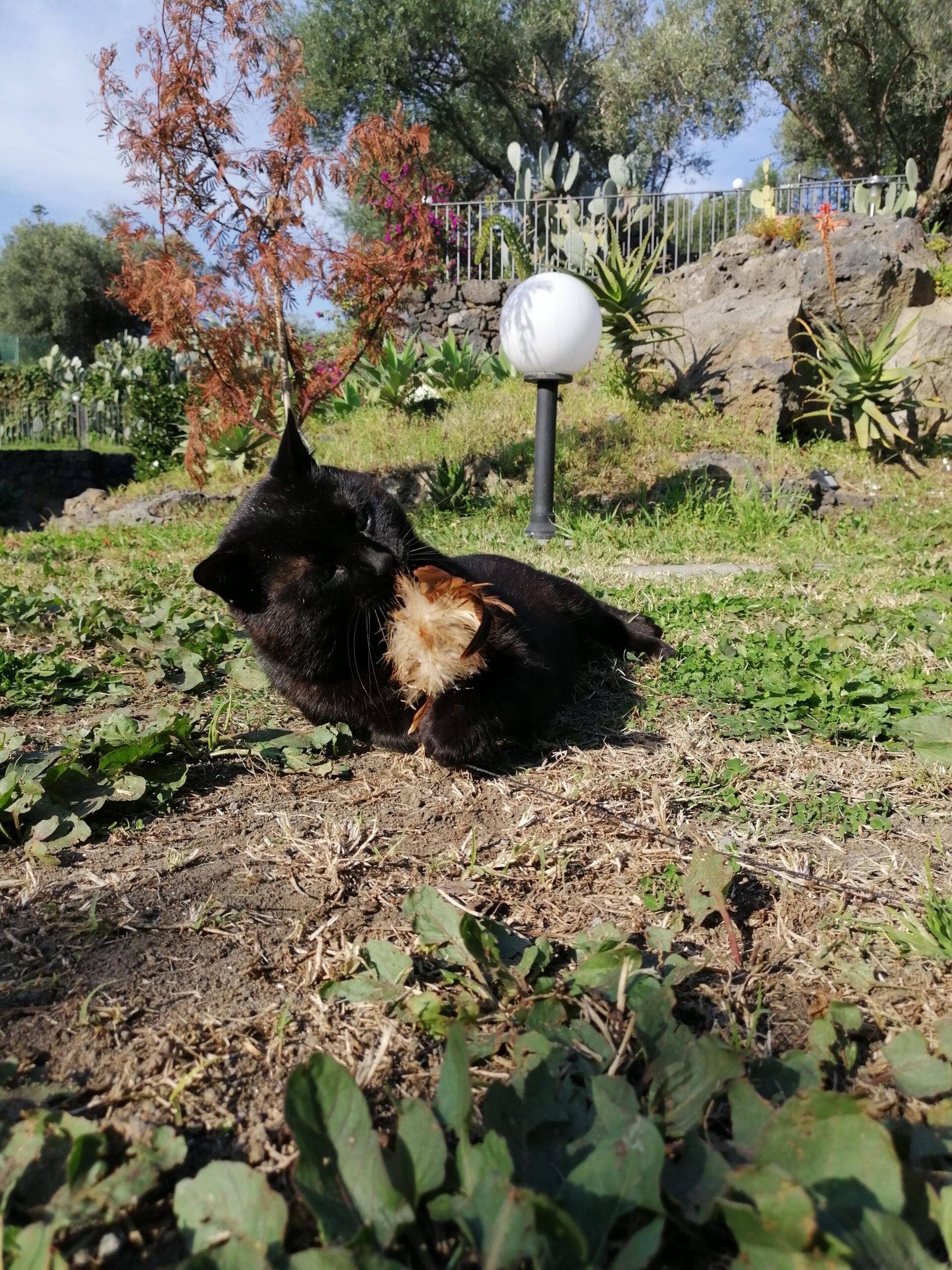
When a cat with chronic kidney disease has been stable for years and creatinine suddenly spikes, the cause is usually not the chronic disease accelerating on its own. In most cases it is an acute kidney injury layered on top of the chronic one — what clinicians call acute-on-chronic. The five causes to rule out are dehydration, ureteral obstruction, pyelonephritis, toxins, and hypertension or high blood calcium. Unlike the chronic nephron loss, which is permanent, the acute component is frequently reversible when it is found early and treated properly.
I am Eli, an animal naturopath with more than fourteen years of clinical experience, and feline kidney disease is the area I have worked in longest. This is the scenario owners write to me about most often, and it is also the one most often misread.
What does “acute on chronic” kidney failure mean in cats?
Acute-on-chronic kidney failure is a sudden, potentially reversible kidney injury occurring in a cat that already has chronic kidney disease. Two different processes are happening at the same time, and they behave in completely different ways.
Chronic kidney disease is the slow, silent loss of nephrons — the millions of microscopic filtering units that make up the kidney. Nephrons do not regenerate. The remaining ones compensate, work harder, and wear out sooner. This is why the curve is measured in months and years, and why creatinine only starts to climb once roughly 75% of filtering capacity is already gone.
An acute injury does not behave like that at all. It happens in days. And that speed is the single most useful clue you have.
Why the slope matters more than the value
The IRIS (International Renal Interest Society) grading system defines acute kidney injury as a rise in creatinine of about 0.3 mg/dL (roughly 26 µmol/L) within a 48-hour window.
Here is the part that surprises most owners: that rise counts even if the value is still inside the reference range. A cat can be in acute injury with a creatinine that looks perfectly acceptable on paper.
➡ Chronic disease drifts. Acute injury jumps.
Two blood panels taken close together tell you which one you are dealing with. A single panel tells you almost nothing.
What causes a sudden creatinine spike in a cat with CKD?
The five most common causes of a sudden creatinine spike in a cat with chronic kidney disease are dehydration, ureteral obstruction, pyelonephritis, toxin exposure, and untreated hypertension or hypercalcemia. They should be excluded roughly in this order.
1. Dehydration and low blood volume
The most common cause, and the most underestimated. Less blood reaching the kidney means less filtration, which pushes creatinine up even when no new structural damage has occurred yet.
This is often correctable within 24 to 48 hours with appropriate fluid support. It is also the reason a cat eating exclusively dry food is at higher risk: dry food leaves a cat in low-grade chronic dehydration every single day, which is exactly the state where an acute episode becomes likely.
2. Ureteral obstruction
A stone or debris lodged in the ureter, blocking urine flow from one kidney. In cats, the overwhelming majority of ureteral stones are calcium oxalate, and calcium oxalate does not dissolve with diet — a critical difference from struvite bladder stones.
The classic imaging picture is one kidney swollen and the other shrunken, a pattern known as big kidney, little kidney.
⚠️ This is the time-critical one. Ask for plain radiographs plus ultrasound together, not one or the other. Small ureteroliths are frequently missed on ultrasound alone.
3. Pyelonephritis (kidney infection)
A bacterial infection of the kidney itself rather than the bladder. It deserves its own section below, because this is where most cases get lost.
4. Toxins
Lilies are catastrophic in cats — every part of the plant, including the pollen and the water in the vase. Also relevant: NSAIDs (including human anti-inflammatories given with good intentions), aminoglycoside antibiotics, contrast agents, and antifreeze.
Ask yourself a simple question: what changed in the environment in the last two weeks?
5. Hypertension and hypercalcemia
Untreated high blood pressure damages the glomerulus directly and silently. High blood calcium reduces the kidney’s ability to concentrate urine and drives its own tubular injury.
Both are measurable in a single visit. Both are routinely skipped.
Why a negative urine culture does not rule out a kidney infection
A negative urine culture does not exclude pyelonephritis in cats. This is one of the most consequential misunderstandings in feline nephrology, and it costs cats treatment time.
There are three reasons a culture can come back clean in a genuinely infected kidney:
- Bacteria are shed intermittently — a single sample catches a single moment.
- Antibiotics started before sampling suppress growth, even a short course.
- A bladder sample does not always represent the renal pelvis upstream.
If your vet acknowledged this, you have a good vet. Many will close the file on a negative culture alone.
What actually helps instead
✅ Targeted imaging — ultrasound specifically assessing the renal pelvis for dilation, not just a general abdominal scan ✅ Urine sediment analysis — looking for casts and white blood cells ✅ Blood pressure measured at the same visit ✅ A realistic timeline — genuine pyelonephritis is not a five-day course. It is treated for weeks, and the response is judged on repeat bloodwork, not on how the cat looks
One honest caveat: imaging after treatment may still show an inflamed kidney in a cat that has actually recovered. Inflammation resolves more slowly than infection. The answer comes from the trend in bloodwork over the following weeks, not from a single scan.
Symptoms: how to recognise an acute episode early
The problem with cats is that they hide decompensation until the very last moment. These are the signals worth acting on:
- Water intake and urine output climbing week over week (or dropping suddenly toward nothing)
- Progressive weight loss despite a normal appetite — this is muscle wasting
- Sudden loss of balance, disorientation, or a stumbling, drunk-looking gait
- Repeated vomiting, or refusing food for more than 24 hours
- Ammonia-smelling breath — this indicates active uremia
- Straining in the litter box producing little or no urine
Track it at home — this changes everything
This is the single most useful thing you can do, and it costs nothing:
- Weigh the litter clumps daily and log the number
- Measure water intake with a marked bowl
- Weigh your cat weekly, same scale, same time of day
- Note appetite in one line per day
Owners who bring me a log instead of a memory change the quality of the clinical decision completely. When someone shows me urine output climbing steadily over three weeks, that is not anxiety — that is data, and it often catches an acute episode before the bloodwork does.
Natural support for a cat with acute-on-chronic kidney failure
Order matters more than any individual supplement. This is the principle I repeat in every consultation, and it is where most owners go wrong.
⚠️ In an acute phase, nothing on this list comes before stabilisation. Fluid therapy, blood pressure control, potassium correction, nausea management, and finding the cause come first. Supplements layered onto an unstabilised cat are noise, and in some cases they delay the intervention that actually matters.
Once the cat is stable, this is the layer I build — in this order.
1. Hydration as a permanent structure
Not a supplement, but the foundation everything else sits on.
- Wet food only, minimum 75–78% moisture
- Water bowls in several locations, away from food and litter
- Food warmed slightly to lift the aroma and drive intake
- A pet water fountain if your cat prefers moving water
In my experience this single change does more for a stable CKD cat than any nutraceutical on this page.
2. Phosphorus control
When the kidney can no longer clear phosphorus, it accumulates. Parathyroid hormone rises to compensate, pulling calcium out of the bone and depositing it into soft tissue — including the kidney itself. That progressive calcification is one of the strongest drivers of decline.
Which is why the target is phosphorus, not blindly cutting protein. Cut protein at the wrong IRIS stage and you lose muscle mass, and muscle loss in a kidney patient is a one-way street.
Phosphorus binders are given with meals, never on an empty stomach, and the choice between calcium-carbonate, lanthanum and chitosan-based formulations depends on IRIS stage and serum calcium. This is a decision to make with your vet, on the basis of actual bloodwork.
Practical guidance: binders are typically dosed per meal rather than per day, and mixed directly into wet food. If your cat refuses food after a binder is added, reduce the amount and rebuild gradually over a week.
3. Marine omega-3 (EPA and DHA)
At the glomerulus, EPA and DHA compete with arachidonic acid, lowering vasoconstrictive prostaglandins and modulating local inflammation. The clinical translation: less proteinuria and slower glomerular damage.
Practical dose: approximately 20–30 mg of combined EPA+DHA per kg of body weight per day. For an average 4–5 kg cat, that is roughly 100–150 mg EPA+DHA daily, which in most concentrated liquid formulations works out to a quarter of a teaspoon or a single small capsule.
I only use IFOS-certified fish oil. The certification verifies purity from heavy metals and oxidation, and in an already compromised kidney that is not a corner worth cutting. I have no commercial relationship with any omega-3 brand.
⚠️ Do not exceed the range — excess omega-3 can affect coagulation.
4. Probiotics and the gut–kidney axis
This is the piece almost nobody connects, and it is the reason probiotics belong in a serious renal protocol rather than in the “digestive” category.
When the kidney fails, the intestine partially compensates: uremic toxins are shifted into the gut and eliminated through the stool. This is enteric dialysis, and it is documented physiology rather than a metaphor.
But that route depends entirely on the bacterial population living there. In dysbiosis, certain bacteria convert dietary tryptophan into indole; the liver converts it to indoxyl sulfate, which is directly toxic to the renal tubule. A disturbed gut does not merely fail to help — it actively feeds the damage.
Strains with the most relevant data include Streptococcus thermophilus, Lactobacillus acidophilus and Bifidobacterium longum. High-potency multi-strain formulations such as Vivomixx (Visbiome in the US) are what I reach for, typically a fraction of a human sachet mixed into wet food.
➡ In a cat that has just finished weeks of antibiotics for suspected pyelonephritis, this is not optional. It is the obvious next step.
5. Cordyceps sinensis — stable phase only
Cordyceps is the medicinal mushroom with the strongest rationale in renal support. It acts on three fronts: it supports glomerular filtration rate, stimulates endogenous erythropoietin production (relevant in the anaemia of CKD), and provides antioxidant activity at tubular level.
Practical dose: typically 100–200 mg of standardised extract per day for an average cat, divided between meals, using a product certified free of heavy metal contamination.
⚠️ Not during an acute crisis. In a crisis you stabilise first, then you build. Cordyceps belongs to IRIS stage 2–3 maintenance, not to emergency management.
6. SAMe and silymarin — when the liver is under load
Kidney and liver work together in toxin clearance. In a cat on long-term medication, or with borderline liver enzymes, SAMe supports glutathione production and silymarin adds hepatoprotective and antifibrotic action. This reduces the overall toxic load rather than treating the kidney directly.
Not routine in stage 1–2 without liver involvement.
When medication is the right answer
I want to be direct here, because this is where the natural-versus-conventional argument usually becomes unhelpful.
Drugs are not the enemy. Using them without a strategy is.
- In renal hypertension, amlodipine is not negotiable. Uncontrolled pressure destroys glomeruli every day it is left alone.
- In an acute episode, fluid therapy is the intervention. No supplement substitutes for it.
- Nausea and appetite must be controlled, because a cat that stops eating begins catabolising its own muscle within days.
- In severe anaemia, erythropoiesis-stimulating agents may be the only way to preserve quality of life.
These work alongside nutrition and nutraceutical support, never instead of it.
When to see your vet — red flags
Same-day veterinary visit, not next week’s appointment:
- Straining in the litter box with little or no urine (an emergency in any cat, particularly males)
- Urine output dropping suddenly toward nothing
- Sudden loss of balance, disorientation or collapse
- Ammonia-smelling breath
- Repeated vomiting or refusal to eat for more than 24 hours
- Hiding, which in cats is often the last signal before crisis
My personal note
In 2011 my own cat, seventeen years old, went into a uremic crisis overnight. Same picture as the ones people describe to me now: stable for years, then a collapse in a matter of days.
At the time, in Italy, the idea of using medicinal mushrooms or targeted marine omega-3 in a renal patient was treated as fantasy. I read everything I could find and rebuilt the whole approach from the ground up. That work became the foundation of everything I do now.
It also gave me the rule I repeat in every single consultation:
No copy and paste. No do-it-yourself. No “because someone said so.”
What worked for one cat is a starting point for thinking — never a protocol to transplant onto another animal. Your cat’s IRIS stage, phosphorus, blood pressure and hydration status decide what is appropriate, and only your vet can establish those.
FAQ
Can a cat recover from acute kidney injury on top of CKD? Often yes, at least partially. The acute component is potentially reversible with fluid therapy and removal of the underlying cause. The chronic baseline does not come back, but many cats return to their previous stage and remain stable there for a long time.
Why did my cat’s urine culture come back negative if she has a kidney infection? Bacteria are shed intermittently, antibiotics started before sampling suppress growth, and a bladder sample does not always reflect what is happening in the renal pelvis. A negative culture does not rule out pyelonephritis.
Is increased urine output a bad sign in a cat with kidney disease? A steady week-over-week increase is worth investigating, because it suggests declining concentrating ability. A sudden drop toward no urine at all is a medical emergency and needs same-day attention.
How quickly should creatinine be rechecked after a spike? Days, not months. The IRIS definition of acute injury uses a 48-hour window, and the trend across two closely spaced panels is far more informative than any single value.
Can I give my cat Cordyceps during a kidney crisis? No. Stabilise first — fluids, blood pressure, potassium, nausea control and identifying the cause. Cordyceps belongs to the stable maintenance phase, typically IRIS stage 2 to 3, and always under veterinary supervision.
Does dry food really make kidney disease worse? Dry food is not a neutral option in a cat with CKD. It leaves the cat in low-grade chronic dehydration, which reduces filtration efficiency and increases the likelihood of an acute episode. Switching to wet food alone can slow progression measurably.
Disclaimer
This content is for informational purposes only and does not constitute medical advice or replace veterinary consultation. The homeopathic and natural remedies mentioned have no scientifically validated efficacy. Always consult your vet before making changes to your pet’s diet or administering any remedy. I have no commercial relationship with, and receive no compensation from, any brand mentioned in this article.


Discussion about this post