


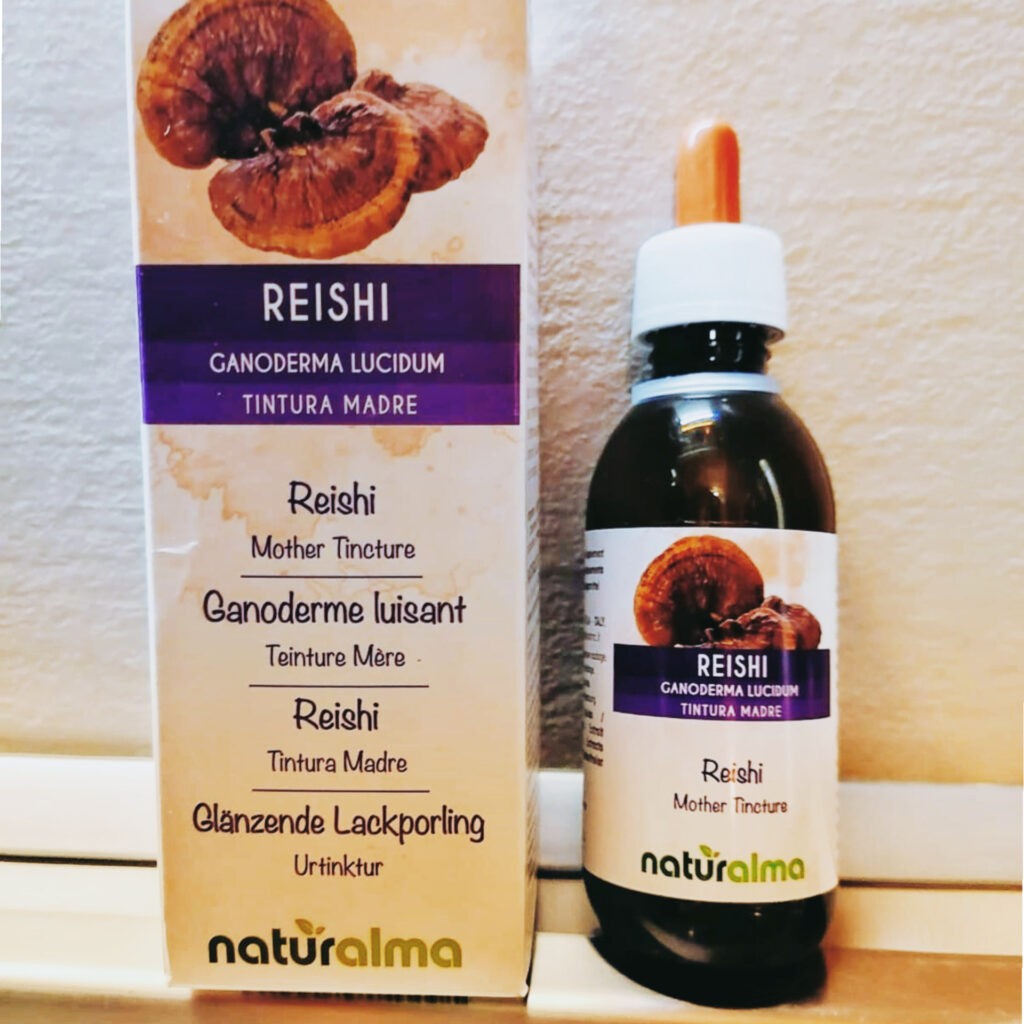
Reishi Ganoderma cat dog in kidney failure is indicated in case of high blood pressure as it inhibits platelet aggregation and reduces blood pressure thanks to its effect similar to the ACE inhibitor, useful in the presence of arrhythmias, protects against kidney damage thanks to its anti-inflammatory properties.
Reishi: An Ancient Mushroom for Kidney Health?
Also known as Ganoderma lucidum, it is a medicinal mushroom that has been used for centuries in traditional Chinese medicine for its many beneficial properties. In recent years, scientific research has begun to unravel the potential benefits of reishi for human and animal health, including supporting kidney function.
Reishi and the Kidneys: A Beneficial Combination?
Although specific studies on reishi and kidney disease are still limited, some research suggests that this mushroom may offer several benefits:
- Antioxidant action: Reishi is rich in antioxidants that help counteract damage caused by free radicals, protecting kidney cells.
- Anti-inflammatory properties: By reducing inflammation, reishi could help slow the progression of kidney disease.
- Immune system support: By strengthening the immune system, reishi can help the body fight infections and maintain a better overall balance.
How can reishi help dogs and cats with kidney disease?
Chronic kidney disease in cats is a serious condition that requires careful management. Reishi, thanks to its properties, could offer complementary support to traditional therapies, helping to:
- Slow down the progression of the disease: Reducing inflammation and protecting kidney cells.
- Improving quality of life: Supporting the immune system and reducing symptoms associated with kidney disease.
Recent studies have indicated that the components extracted from Ganoderma They have a wide range of pharmacological actions including suppressing inflammation and scavenging free radicals. In fact, it has been seen that Reishi in the course of kidney disease has therapeutic effects on acute kidney injury (AKI) and chronic kidney disease (CKD), including polycystic kidney disease, diabetic nephropathy, oxidative damage of proximal renal tubular cells and fibrotic process.
It is important to check the label of the specific product, for animals I recommend using alcohol-free liquid reishi (you can add it to food). As a rule, the dosage ranges from 1 ml to 2 ml per day (depending on the weight of the animal) the drops can also be diluted in water, one to three times a day at any time.
Which Reishi supplement for CKD do I recommend for dogs and cats?
Normally for my animals, if I opt for the liquid form, I integrate two products together: Reishi in non-alcoholic mother tincture + Spagyric Reishi (mix them)
Therapeutic mushrooms for dogs and cats ZERO alcohol? Here they are!
If, on the other hand, I have to choose a product in capsules, I prefer a high-concentration formulation, which contains organic extract of Reishi (Ganoderma lucidum), characterized by the high content of nutrients such as beta-glucans, triterpenes, phenols, ergosterol with natural vitamin C extracted from Acerola, which makes the active ingredients of the Reishi mushroom better assimilable is Mico-Rei Hifas.
Reishi with a very high concentration of organic Reishi: contains 495 mg of standardised pure organic extract of Ganoderma lucidum.
Bioactive substances: Polysaccharides 289 mg of which: beta-(1-3), (1-6) D-glucans 184 mg – alpha-glucans 69 mg
QUESTIONS AND ANSWERS ON THE USE OF MEDICINAL MUSHROOMS
Do medical mushrooms have side effects?
Side effects in mycotherapy are very rare, there may be mild digestive disorders, intolerances and allergies, which is why it is advisable to start with minimal doses to give the body time to get used to the mushrooms.
The use of medicinal mushroom supplements, while promising, may come with some side effects. Among the most common are gastrointestinal disorders such as nausea, vomiting and diarrhea. In some cases, allergic reactions, skin manifestations and dizziness may occur. It is important to remember that individual food intolerances can also affect the tolerability of these supplements
How are mushrooms taken and how?
It is preferable to take mushrooms with meals.
Can therapeutic mushrooms be taken during chemotherapy treatment?
Of course! indeed, you should start taking it before chemotherapy, to reduce the side effects of the same.
Do fungi interfere with medications?
NI, being “HEALING FOODS” mushrooms do not normally interfere with drugs or other natural treatments, with a few exceptions, moreover mushrooms are rich in bioactive substances, vitamins and mineral salts consider this aspect if you also administer vitamins and / or supplements.
Can I take mushrooms before surgery?
Almost all medicinal mushrooms thin the blood, most of all Auricularia, so it is preferable to suspend mycotherapy before surgery.
What is the difference between whole mushroom or extract?
As a support therapy in case of degenerative diseases (whole mushroom)
Immunological stimulation (Mycelium)
Serious, degenerative and advanced diseases such as cancer or viruses (Excerpt)
Mycotherapy in the Dog Cat Guide for Use in Veterinary Medicine
Spagyric mycotherapy What is it for? Human and Veterinary
My Mycotherapy Protocol in the course of renal failure
What to keep in mind
- It does not replace veterinary care: Reishi is a supplement and should never replace traditional veterinary care.
- Side effects: Although generally well tolerated, reishi can cause side effects in some animals. Close monitoring for any adverse reactions is important.
- Product Quality: Choosing a high-quality product from reliable sources is crucial to ensure maximum efficacy and safety.
In Conclusion
Reishi could be a valuable support for animals with kidney disease, but a cautious and personalized approach is essential. Always consult a professional before starting any alternative treatment.


Discussion about this post